




Glide baits have a way of making anglers hesitate.
They look big. They feel different. They usually require heavier tackle than most people are used to throwing. And if you have spent most of your time fishing jigs, worms, crankbaits, or smaller swimbaits, tying on a four-ounce glide bait can feel like a pretty big jump.
But the truth is, glide baits are not just for trophy hunters.
They are one of the best tools you can throw when fish have already seen everything else. Pressured bass get conditioned to the same shapes and same movements over time. A glide bait breaks that routine. It has a bigger profile, a wider movement, and a more natural side-to-side presence that can pull fish from a long way off.
That is where the Draw Glide fits.
It is built to create a wide, natural glide that can be fished shallow, over cover, around grass lines, through open water, or even down around deeper structure with a little tuning. The biggest thing is learning how to control it. Once you understand the cadence, the bait becomes a lot less intimidating.
Before you ever make the first cast, the setup matters.
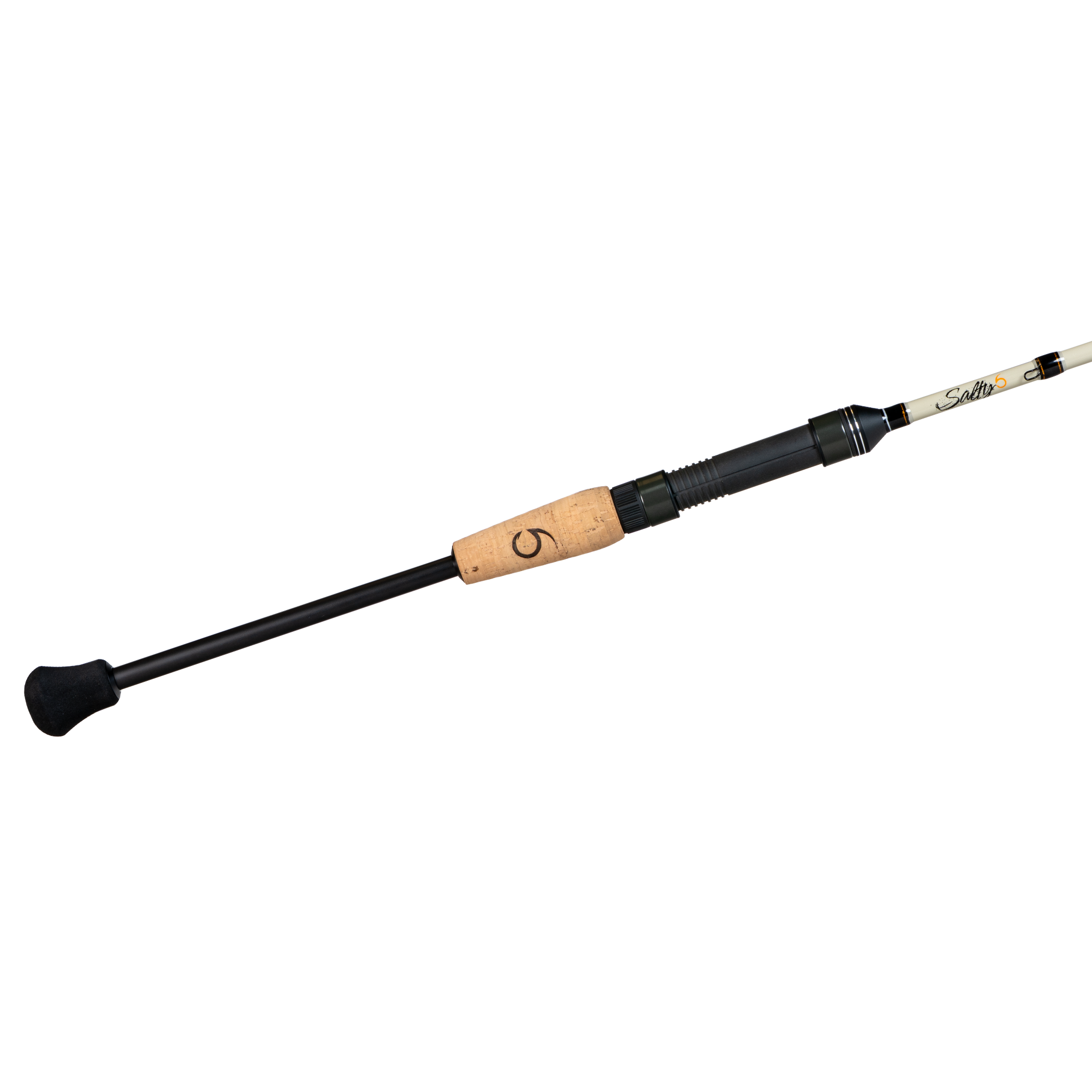
This is not a bait you want to throw on a standard jig rod or flipping stick. The Draw Glide weighs around four ounces, so having the right rod, reel, and line makes a huge difference. A 7’9” extra-heavy fast-action rod is a strong fit because it gives you enough tip to work the bait side to side, but still has the backbone to drive hooks and keep fish pinned.
A 300-size casting reel with a high-capacity spool is ideal, especially when paired with 25- to 30-pound fluorocarbon. That may sound heavy, but with a bait this size, lighter line creates more problems than it solves. Every cast puts pressure on the line, and when a big fish eats around grass, wood, brush, or deep cover, you want the confidence to lean on it.
The heavier fluorocarbon also does not kill the action of the bait. The Draw Glide still moves the way it is supposed to, and you gain the strength needed to fish it the right way.
One of the best ways to start is fishing it straight out of the package.
When the water is above the low-50s, you can cover a lot of water with a slow, controlled glide retrieve. Make a long cast, point the rod at the bait, and use steady pulls to get it swinging side to side. The key is finding the rhythm where the bait is getting the most distance on each glide.
Clear water helps because you can actually watch the bait and learn what your rod movements are doing. After a while, you start to feel it. You know when the bait is gliding wide, when it needs a little more input, and when you are working it too fast.
This is a great way to fish grass lines, points, flats, transition banks, open-water fish, suspended bass, and offshore structure. You are not always trying to make one perfect cast to one perfect target. A lot of the time, you are using the bait to pull fish out and make them show themselves.
That is where the trigger move comes in.
A lot of bass will follow a glide bait. They will track it from behind, stay just out of sight, and act like they are interested without fully committing. If you just keep gliding the bait the same way all the way back to the boat, many of those fish never bite.
Every few reel turns, slow the bait down and let it glide. Then hit it with two quick pops.
That sudden change can make the bait kick sideways, turn, or almost look back at the fish following it. It creates the illusion that the baitfish just realized it is being chased. That is when a follower has to make a decision.
Some will fade off. The right ones will try to take the rod out of your hands.
Once you get comfortable fishing the Draw Glide as-is, you can start tuning it for specific situations.
For shallow cover, one of the best modifications is adding a small amount of lead wire or lead tape around the front hook hanger. You are not trying to make the bait sink fast. The goal is to get it to suspend or sink extremely slowly.
When it is tuned right, the bait will hang in the water column instead of floating away from the target. That is perfect around laydowns, docks, brush, grass edges, bedding fish, and shallow ambush cover.
Think of it like walking a topwater beside a piece of cover. You are trying to keep the bait in the strike zone as long as possible. With a suspending glide bait, you can work it beside a dock post, next to a stump, or over the top of brush with short chops and pauses without immediately pulling it away.
That “rate of stall” is a big deal.
Most anglers talk about rate of fall, but with a glide bait around cover, how long you can keep it in place matters just as much. If a bass is sitting under a dock or tucked beside a laydown, you may only have a small window to make that fish react. A bait that stalls, flashes, and chops in place gives you more time to trigger the bite.
You can also take the Draw Glide deeper.
By adding a little more lead wire, you can create a slow-sinking version that gets down to fish holding around brush piles, deep grass edges, suspended bait, open-water targets, and offshore structure. The key is not overdoing it. You do not want the bait sinking like a rock.
A slow fall — somewhere around a foot every few seconds — keeps the bait natural and gives you time to work it once it reaches depth.
This is where patience becomes important. If you are trying to get the bait down 15 or 20 feet, it takes time. Rushing the retrieve pulls it away from the fish before it ever gets into the right zone.
Forward-facing sonar has made this style even more effective.
Instead of guessing where fish are positioned, you can lead a moving fish, bring the bait across the top of a brush pile, or keep it in front of suspended bass. The same rules still apply, though. You have to give the bait time to get down, and you have to watch how the fish reacts.
If a fish follows but will not commit, use that same one-two trigger. Let the bait glide, then hit it quickly and make it change direction. A lot of the best glide bait bites come from that sudden shift.
The biggest mistake anglers make with big glide baits is thinking they only catch giants.
Yes, they absolutely catch giant bass. But two- and three-pounders will eat them, too. More importantly, glide baits can trigger fish that ignore everything else. On pressured lakes, bass have seen every worm, jig, crankbait, and swimbait in the book. A big glide moving naturally through their space is different enough to make them react.
That is why confidence matters so much.
You may not get as many bites as you would throwing a smaller bait, but the bites you get can be the right ones. And the more you fish a glide bait, the more you start to understand what the followers, swipes, and reactions are telling you.
The Draw Glide is versatile enough to fish several ways. Throw it straight out of the package when you want to cover water. Add a little weight when you need it to suspend around shallow cover. Add slightly more when you want to work it deeper around sonar targets, brush, or offshore structure.
No matter how you fish it, the most important part is learning the cadence.
Once you understand how to make the bait glide wide, stall, kick, and change direction, it becomes more than just a big swimbait. It becomes a tool for pulling fish out, reading their mood, and triggering the kind of bites that make glide bait fishing so addictive.
