




When the water starts heating up, and bass begin sliding offshore, there are few techniques more effective than deep cranking. Those fish get grouped up on points, humps, roadbeds, shell, brush, and offshore structure—and when you can get one to react, you can fire up the whole school.
That is exactly where the 6th Sense C15 and C20 crankbaits shine.
These are big-bite tools built for covering water, reaching the strike zone, and triggering fish that may not want to eat something slow. Whether you are fishing East Texas, the Tennessee River, or northern smallmouth water, these crankbaits deserve a spot on the deck.
When to Throw the C15 vs. the C20
The biggest difference comes down to depth.
The C15 is a great choice when fish are positioned in the 10- to 16-foot range. It is perfect for shallower offshore structure, brush piles, high spots, and places where fish are feeding up but not sitting super deep.
The C20 comes into play when fish are deeper, typically around 17 to 22 feet. When those bigger schools slide out and set up deeper, the C20 lets you get down to them and keep that bait grinding where it needs to be.
Both baits are loud, wide-wobbling crankbaits that run true and create the kind of aggressive action that gets schools fired up.
Fish Them Fast
One of the biggest keys with these baits is speed.
This is not a slow, lazy cranking deal. When offshore bass are grouped up, we want to get that bait down and grind it hard. A fast retrieve helps the bait deflect, hunt, and trigger reaction bites from fish that may ignore slower presentations.
A strong setup for both baits is:
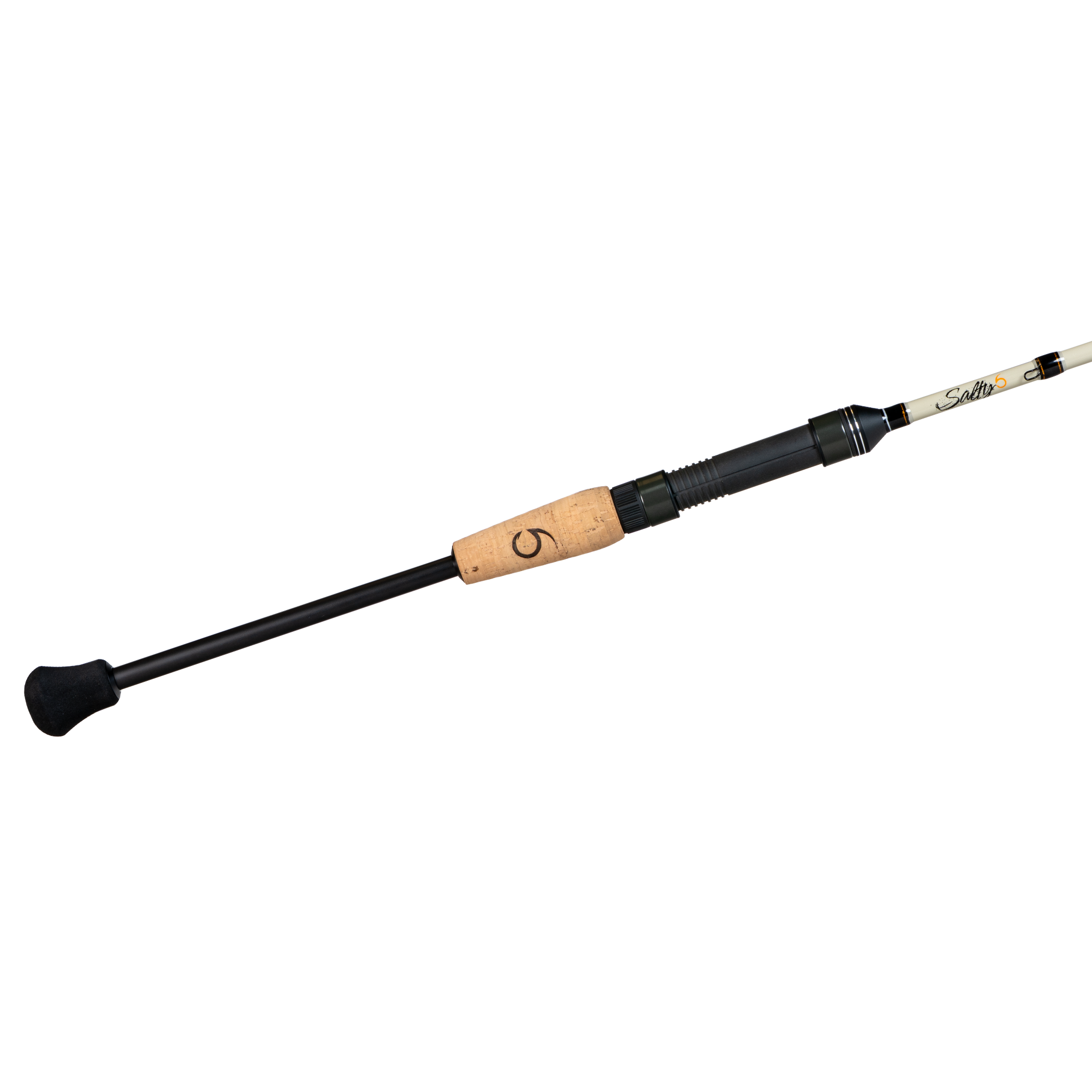
Rod: 7’6” cranking rod
Reel: 8.1:1 gear ratio
Line: Heavier line when fishing cover or brush
The goal is simple: make long casts, get the bait down, and keep it moving.
Southern Offshore Bass: Grind the Bottom
On southern largemouth fisheries like Sam Rayburn, Lake Fork, Guntersville, Chickamauga, and other Tennessee River-style lakes, bottom contact is a major part of the deal.
Fish these baits around:
Roadbeds
Shell beds
Humps
Offshore points
Hard spots
Brush piles
Get the bait down and let it dig. That grinding action is often what causes the first fish to bite. Once one bass reacts, the rest of the school can turn on fast.
Northern Smallmouth: Keep It Up Over Grass and Rock
The C15 and C20 are not just southern largemouth baits. Smallmouth love them, too.
On places like Lake St. Clair, Lake Michigan, and the St. Lawrence River, the approach can change. Instead of always grinding bottom, you may fish the C15 over deeper water and let smallmouth come up to eat it.
Those fish will rise a long way to crush a crankbait, especially around grass, rock, and fall feeding areas. In clear northern water, a fast-moving crankbait can be one of the best ways to trigger aggressive smallmouth.
Do Not Be Afraid to Hit the Brush
A lot of anglers get too careful around brush piles with a crankbait. That is usually a mistake.
With the C15, especially, one of the best ways to get bites is to burn it into the brush. Do not just feather it around the outside. Hit the pile, let the bait deflect, and be ready.
That hard contact is what creates the reaction.
When bass get up on top of brush and stop eating slower presentations like worms or jerkbaits, a crankbait crashing through the cover can make them commit.
Keep Color Selection Simple
You do not have to overcomplicate color choice.
For most offshore cranking situations, start with:
Shad patterns
Chartreuse-based colors
Those two categories cover a lot of water clarity, baitfish presence, and seasonal conditions. Keep it simple, focus on depth and retrieve speed, and let the bait do the work.
Final Thoughts
The 6th Sense C15 and C20 are made for anglers who want to trigger bigger bites offshore. When bass are grouped up and feeding, these baits can turn one bite into a flurry.
Fish them fast. Make bottom contact when the situation calls for it. Crash them into the brush. Burn them over grass and rock for smallmouth. Most importantly, do not be afraid to be aggressive.
When the water gets hot, and the fish move offshore, tie on a C15 or C20 and go make them react.
