




When bass get grouped up around deep bait, few baits can fire a school faster than a jig spoon. It is simple, efficient, and deadly when fish are feeding vertically. The new 6th Sense Jig Spoon takes that proven old-school technique and gives it a modern 6th Sense upgrade with detailed finishes, sharp color schemes, and a fish-catching fall that gets bit.
This is the kind of bait we like when fish are chasing bait balls, suspending under schools of shad, or sitting close to deep structure where a vertical presentation shines.
Why the 6th Sense Jig Spoon Gets Bit
A jig spoon works because it imitates a dying or fleeing baitfish. When you pop it up and let it fall, the bait flashes, flutters, and drops right back through the strike zone.
That fall is the deal.
Most bites will come as the spoon is dropping, so the key is letting the bait move naturally without choking it on a tight line. You still want to stay connected enough to feel what is happening, but the spoon needs freedom to flutter.
Where to Throw It
The best setup is simple: find the bait first.
Look for:
- Deep bait balls
- Bass grouped around shad
- Fish suspended under bait
- Schools near points, humps, creek channels, or timber edges
Once you see bait and fish on your electronics, drop or pitch the Jig Spoon into the zone. This is not always a long-cast bait. A lot of the time, it is a precision presentation where you are putting the spoon directly above or through the fish.
How to Work the Jig Spoon
The retrieve is easy, but timing matters.
Let the spoon fall through the bait, then pop it up with short lifts of the rod. After each pop, let it fall again on semi-slack line. That controlled slack allows the spoon to flutter correctly while still keeping you in touch with the bait.
A good cadence looks like this:
Drop it through the bait.
Pop it up.
Let it fall.
Stay connected.
Repeat.
When one eats it, it may feel like a tick, a heavy load, or the bait simply stops falling. That is why staying in touch with the spoon is so important.
Best Rod and Line Setup
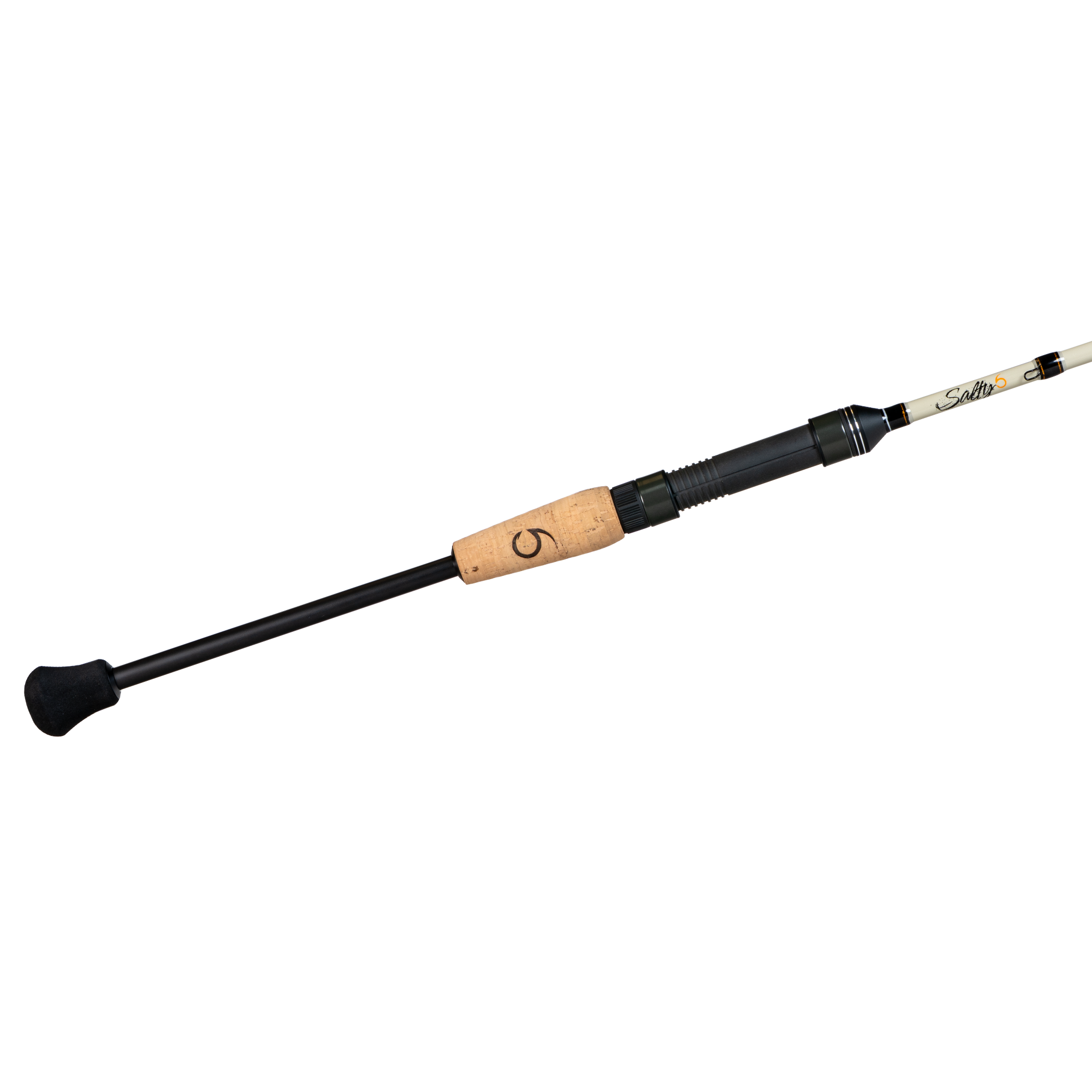
A great setup for the 6th Sense Jig Spoon is a 7’2” medium-heavy rod with a soft tip.
That softer tip matters because jig spoons are usually rigged with treble hooks. A rod that is too stiff can pull hooks free, especially when a fish surges under the boat. The softer tip lets the fish load up and helps keep those trebles pinned.
Pair it with 15-pound fluorocarbon for a strong, sensitive setup that still lets the spoon work naturally.
Color Matters More Than You Think
One of the biggest advantages of the 6th Sense Jig Spoon is the color selection. Bass see a lot of standard chrome and white spoons, especially on heavily pressured lakes. Showing them a more detailed, modern 6th Sense color can be the difference between followers and biters.
When fish are keyed in on shad, start with natural baitfish colors. When the water is stained, cloudy, or the school is fired up, brighter flash and contrast can help them find it faster.
Final Thoughts
The 6th Sense Jig Spoon is built for one thing: getting bites when bass are grouped around bait. It is efficient, easy to fish, and perfect for targeting fish you can see on electronics.
Find the bait, drop the spoon through them, pop it up, and let it fall. Keep your line semi-slack, stay connected, and be ready — because when they eat it, they usually eat it on the way down.
